
The Hidden Health Benefits of Spaying and Neutering
We all know the big reason to spay or neuter a pet: preventing unexpected litters. With shelters across the country facing overcrowding, being a responsible pet owner means doing your part to control the pet population.
But as we head into February (Spay/Neuter Awareness Month), we want to shift the conversation.
At Oz Animal Hospital, we don’t just recommend these procedures for the community’s sake. For your pet, spaying and neutering procedures are one of the single most effective ways to prevent serious, life-threatening diseases later in life. Keep reading to learn why this common surgery is a long-term investment in your pet’s health.
Reduced Risk and Fewer Emergencies
Spaying (females) or neutering (males) removes the reproductive organs that produce sex hormones. While this stops reproduction, it also eliminates the risk of cancers and infections associated with those organs.
For Females (Spay):
- Pyometra Prevention: This is a severe, life-threatening infection of the uterus that is common in older, unspayed dogs. It requires emergency surgery. Spaying eliminates this risk 100%.
- Mammary Cancer: Spaying before the first heat cycle significantly reduces the risk of mammary tumors (breast cancer), which are malignant in about 50% of dogs and 90% of cats.
For Males (Neuter):
- Testicular Cancer: Neutering eliminates the risk entirely.
- Prostate Health: It significantly lowers the risk of prostate enlargement (BPH) and infections (prostatitis) as your dog ages.
The Behavioral Bonus
Hormones drive behavior. When the drive to mate is removed, pets are often calmer.
- Roaming: Intact males will do almost anything to find a mate, including digging under fences and running into traffic. Neutering reduces this wanderlust.
- Marking: Unneutered dogs and cats are more likely to mark their territory (your house) with urine.
- Aggression: While not a “cure-all” for behavior, reducing testosterone can help mitigate certain types of dominance or territorial aggression.
The “When” Question
“When should I schedule the surgery?”
This is one of the most common questions we get.
The answer depends on your pet’s species, breed, and size.
- Cats: Typically around 5-6 months old, before the first heat cycle.
- Small Dogs: Often between 6-9 months.
- Large Breed Dogs: We may recommend waiting until they are closer to 12-18 months to allow their growth plates to fully close.
What to Expect (The Recovery)
We know surgery is scary for pet parents. But at Oz, we prioritize safety and pain management.
- The Procedure: It is a routine, sterile surgery performed under general anesthesia with constant monitoring.
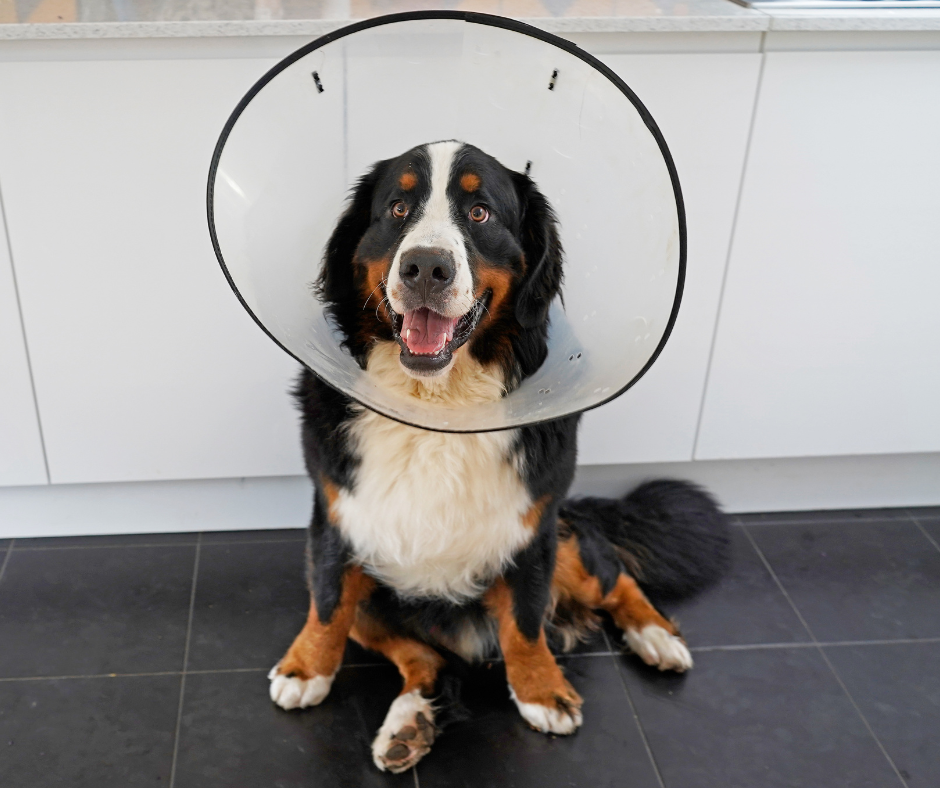
- The Recovery: Most pets go home the same day! You will need to keep them calm (no running/jumping) for about 10-14 days and use the dreaded “Cone of Shame” (or a surgical suit) to prevent licking.
Let’s Plan for Longevity!
If you have a new puppy or kitten, or an older pet who hasn’t been fixed yet, let’s talk. We can discuss the best timing for your specific pet to ensure they live a long, healthy, and happy life.
At Oz Animal Hospital, we’re dedicated to providing top-tier veterinary care that goes beyond traditional standards. Our team takes the time to understand your pet’s lifestyle, habits, and medical history to provide tailored recommendations for vaccines, preventative care, and treatment options. Choose Oz Animal Hospital for exceptional veterinary care that prioritizes your pet’s well-being and your peace of mind. To schedule your appointment, contact us today.
